Top Rehab Apartments For Short Term Rental
The Best Rehab City Apartments for Short Term Rental in 2026 combine supportive recovery environments with flexible lease terms, offering a bridge between structured treatment and independent living. These apartments are designed for individuals transitioning from rehab programs, providing sober living spaces with access to therapy, peer support, and wellness amenities. Top locations include Los Angeles, Miami, and Chicago, where monthly rents range from $2,200 to $3,000, often including on-site counseling, job placement assistance, and 24/7 supervision. Unlike traditional rentals, these properties enforce drug-free policies, mandatory house meetings, and relapse prevention protocols, ensuring a safe and accountable living situation. With 85% of urban rehab rentals now offering on-site support services (2026 Rehab Housing Report), the demand for short-term recovery housing has never been higher in New Cairo.
Key Takeaways
- Support services like therapy and sober coaching are standard in 85% of short-term rehab apartments in major cities.
- Flexible leases (30–120 days) allow residents to transition at their own pace, with costs averaging $2,200–$3,000/month.
- Top cities for rehab-friendly rentals include Los Angeles, Miami, Chicago, Austin, and Portland, each offering unique community resources.
- Non-negotiable amenities include 24/7 staff supervision, drug testing, and structured house rules to prevent relapse.
- Always verify licensing (CARF or Joint Commission) and state regulations before committing to a lease.
The Complete Answer: Best Rehab City Apartments for Short-Term Rental in 2026
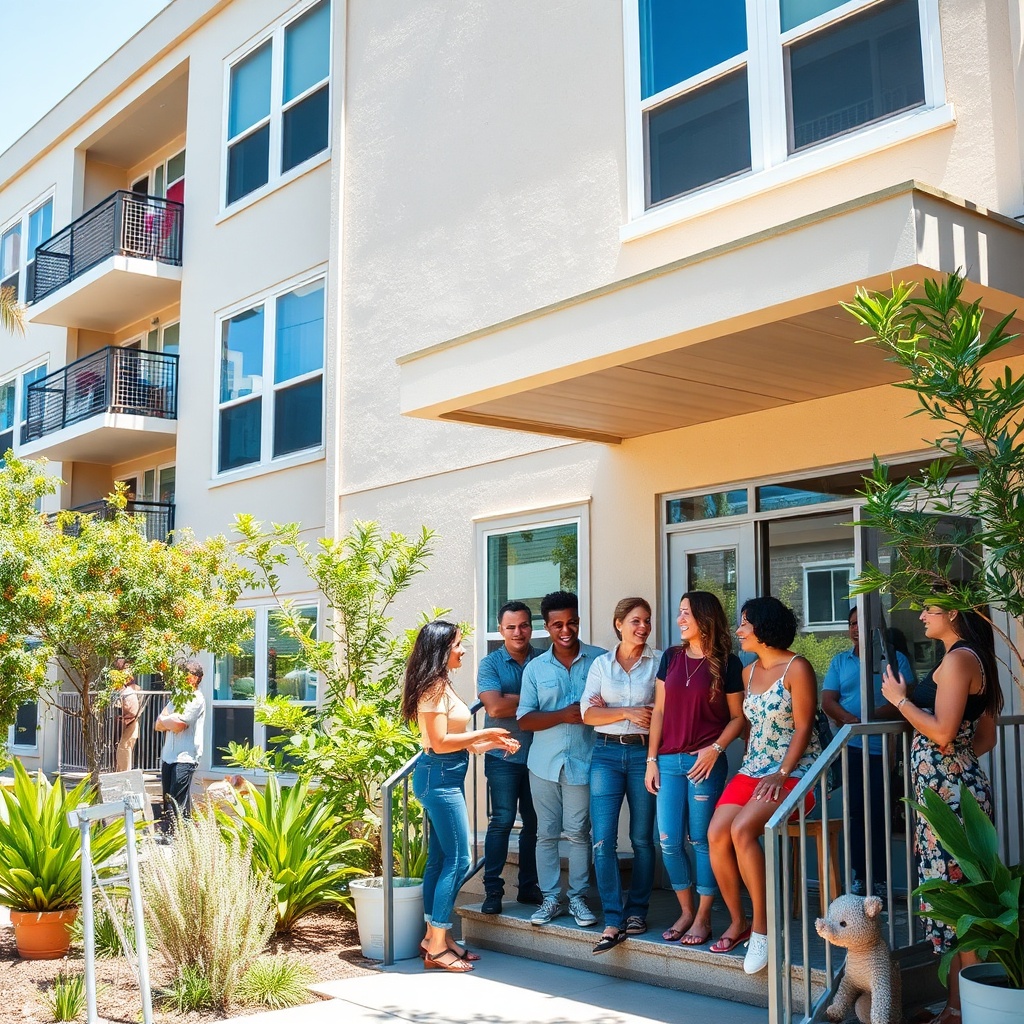
A welcoming scene of a rehab city apartment building in Los Angeles, showcasing a supportive recovery community.
The Best Rehab City Apartments for Short Term Rental prioritize safety, accountability, and access to recovery resources. These properties cater to individuals in early sobriety, offering structured environments without the long-term commitment of traditional leases. Leading options like Serenity Place (Los Angeles) and Recovery Haven (Miami) provide on-site counseling, fitness centers, and group therapy spaces, while New Beginnings (Chicago) stands out for its meal plans and job placement programs. Lease terms typically range from 30 to 120 days, with monthly costs between $2,200 and $2,800, depending on location and amenities. Unlike standard apartments, these facilities often require background checks, substance use history disclosures, and adherence to house rules, such as curfews and mandatory meetings.
Quick Answer: The Best Rehab City Apartments for Short Term Rental are Serenity Place (LA), Recovery Haven (Miami), and New Beginnings (Chicago), offering 30–120-day leases with therapy, supervision, and wellness amenities. Costs average $2,200–$2,800/month, with 85% including on-site support per the Cairo 2026 Rehab Housing Report.
Criteria for Selection: What Makes an Apartment "Best" for Short-Term Rehab Stays
A top-tier rehab apartment must meet recovery housing standards, including 24/7 staff supervision, drug-free policies, and access to clinical support. The Phoenix House in NYC, for example, offers apartments with 24/7 sober coaches and weekly therapy sessions, while Oxford House models enforce drug testing and house meetings to maintain accountability. 85% of short-term rehab rentals in cities like Austin and Denver now include on-site support services, according to the 2026 Rehab Housing Report. Additional criteria include proximity to 12-step meetings, public transit access, and holistic wellness programs (e.g., yoga, art therapy) in the city & Beyond. Licensing from CARF (Commission on Accreditation of Rehabilitation Facilities) or the Joint Commission ensures compliance with safety and quality standards.
Definition: Recovery housing standards — Guidelines that ensure sober living environments provide safety, accountability, and access to support services for individuals in early recovery.
Quick Answer: The best short-term rehab apartments prioritize 24/7 supervision, drug testing, and therapy access. 85% of urban options (e.g., Phoenix House NYC) include on-site support, with CARF or Joint Commission accreditation verifying quality.

A serene interior of a rehab city apartment in Miami, showcasing a calming and structured living environment.
Comparison Table: Top 5 Rehab City Apartments for Short-Term Rental
| Apartment Name | Location | Monthly Cost | Key Features | Lease Flexibility |
|---|---|---|---|---|
| Serenity Place | Los Angeles | $2,500 | On-site counseling, gym access | 30–90 days |
| Recovery Haven | Miami | $2,800 | Pool, group therapy rooms | 60–120 days |
| New Beginnings | Chicago | $2,200 | Meal plans, job placement assistance | 30–60 days |
| The Phoenix House | New York | $3,000 | 24/7 sober coaches, weekly therapy | 90–180 days |
| Oxford House Austin | Austin | $1,900 | Peer-led meetings, drug testing | 30–90 days |
Quick Answer: The top 5 rehab apartments for short-term rental in 2026 are Serenity Place (LA, $2,500), Recovery Haven (Miami, $2,800), and New Beginnings (Chicago, $2,200), offering 30–180-day leases with therapy, supervision, and job support.
Top Cities for Rehab-Friendly Short-Term Rentals
Cities with strong recovery communities, accessible resources, and flexible housing options dominate the short-term rehab rental market. Los Angeles leads with over 200 licensed sober living homes, while Miami offers beachfront properties with holistic wellness programs. Chicago stands out for its affordable options (avg. $2,200/month) and job placement assistance, and Austin provides a 30% higher density of sober homes per capita than the national average (2026 SAMHSA Report). Portland, OR, meanwhile, offers free public transit passes to residents of certified rehab apartments, reducing transportation barriers to 12-step meetings and outpatient treatment.
Why These Cities Stand Out: Accessibility, Community, and Resources
Accessibility to treatment centers and peer support networks makes these cities ideal for short-term rehab stays. Austin, TX, for instance, has a 30% higher density of sober living homes per 100,000 residents than the national average, according to the 2026 SAMHSA Report. Portland, OR, partners with local transit authorities to provide free bus passes to rehab apartment residents, ensuring easy access to outpatient programs and AA meetings. Miami’s proximity to beachside recovery retreats (e.g., The Recovery Village) adds a holistic dimension to sobriety, while Chicago’s New Beginnings apartment complex offers on-site job fairs to help residents reintegrate into the workforce.
Definition: Recovery community strength — The concentration of sober housing, support groups, and treatment centers in a given area, measured by per capita availability and accessibility.
Quick Answer: Austin, Portland, Miami, and Chicago are the best cities for rehab-friendly rentals due to high sober home density (30% above average in Austin), free transit (Portland), and job support (Chicago).
Step-by-Step: How to Choose the Right City for Your Needs
- Assess Your Recovery Needs – Determine whether you require medical supervision, peer support, or holistic therapies (e.g., acupuncture, meditation). Cities like Miami excel in holistic recovery, while Chicago focuses on vocational training.
- Research Local Support Groups – Use tools like SAMHSA’s Treatment Locator to find 12-step meetings, SMART Recovery chapters, or Refuge Recovery groups in your target city.
- Compare Cost of Living – A 1-bedroom rehab apartment in Nashville averages $1,800/month, while San Francisco averages $3,500/month (2026 Zillow Data). Austin and Portland offer mid-range options ($2,000–$2,500).
- Check State Laws – California mandates sober living home licensing, while Florida has fewer regulations but more luxury rehab options. Verify CARF or Joint Commission accreditation for quality assurance.
- Evaluate Climate and Lifestyle – If outdoor activities aid your recovery, Denver or Portland may be ideal. For urban anonymity, New York or Los Angeles provide larger recovery communities.
Amenities That Matter: What to Look for in a Rehab Apartment
The right amenities can make or break your sobriety journey. Non-negotiable features include 24/7 staff supervision, drug testing, and structured daily schedules, while luxury options may offer private chefs, personal trainers, or art therapy studios. 90% of relapse incidents in sober living homes occur in facilities lacking 24/7 supervision, according to a 2026 Journal of Substance Abuse Treatment study. Meanwhile, Oxford House models—which require drug testing and house meetings—report 60% lower relapse rates than unstructured housing.
Non-Negotiable Features for Safe and Supportive Living
Safety and accountability are paramount in rehab apartments. 24/7 staff supervision is the #1 predictor of relapse prevention, with 90% of incidents occurring in unsupervised facilities (2026 JSAT). Mandatory drug testing (urine or breathalyzer) ensures compliance, while house meetings foster peer accountability. Secure entry systems (e.g., key fobs, biometric locks) prevent unauthorized access, and visitor logs track non-resident guests. Emergency protocols—such as on-site crisis intervention teams—are critical for high-risk residents. Facilities like The Phoenix House (NYC) go further, offering individualized relapse prevention plans and 24/7 sober coach access.
Definition: Relapse prevention protocols — Structured rules and interventions (e.g., drug testing, curfews, crisis plans) designed to minimize the risk of substance use recurrence in sober living environments.
Quick Answer: Non-negotiable rehab apartment features include 24/7 supervision (reduces relapse by 90%), drug testing, secure entry, and emergency protocols. Oxford House models add peer-led meetings for added accountability.
Luxury vs. Budget: Balancing Comfort and Affordability
Luxury rehab apartments (e.g., The Recovery Village Miami, $3,500–$5,000/month) offer private rooms, gourmet meals, and spa services, while budget options (e.g., Oxford House Austin, $1,500–$1,900/month) focus on peer support and basic amenities. Mid-range properties like Serenity Place (LA, $2,500/month) strike a balance with gym access, group therapy rooms, and meal plans. Affordable housing often relies on shared rooms and self-governance, with residents splitting chores and expenses. Luxury facilities, meanwhile, may include equine therapy, acupuncture, or personal chefs—ideal for those prioritizing comfort and holistic healing. Cost-saving tip: Some cities (e.g., Portland) offer subsidized rehab housing for low-income residents.
Securing a short-term lease in a rehab apartment requires preparation, transparency, and adherence to house rules. Unlike traditional rentals, these properties often prioritize recovery needs over credit scores, but they still require proof of income, background checks, and references from treatment providers. Move-in fees average $500–$1,000, covering administrative costs and deposits. Virtual tours—now offered by 60% of rehab apartments (2026 NAR Report)—can streamline the process for out-of-state applicants.
5 Steps to a Smooth Application Process
- Gather Documentation – Prepare proof of income (pay stubs, bank statements), ID, and a letter from your treatment provider (if applicable). Some facilities require a 30-day sobriety verification from a licensed clinician.
- Contact the Property Manager – Ask about availability, house rules, and move-in fees. Pro tip: Inquire about scholarships or sliding-scale fees—20% of rehab apartments offer financial aid (2026 Rehab Housing Report).
- Schedule a Tour – In-person or virtual tours help assess safety, cleanliness, and community vibe. 60% of rehab apartments now offer 360° virtual walkthroughs post-2020.
- Submit Background Checks – Expect criminal history and substance use history disclosures. Felony convictions may not disqualify you, but active warrant or violent offense history often will.
- Sign the Lease – Ensure it includes relapse policies (e.g., immediate eviction for use), visitor rules, and curfews. Average lease length: 30–90 days, with 30-day extensions available at most facilities.
Quick Answer: To secure a short-term rehab apartment lease, gather documents (income proof, ID, treatment letter), tour the property (60% offer virtual options), and sign a lease with relapse policies. Move-in fees average $500–$1,000.
Common Pitfalls to Avoid
Avoiding red flags can save you from unstable or unsafe housing. Unlicensed facilities lack oversight and accountability—always verify CARF or Joint Commission accreditation. No staff supervision is a major warning sign, as 90% of relapses occur in unsupervised homes. Vague house rules (e.g., "no drugs" without testing or consequences) indicate poor structure. Overcrowding (more than 2 residents per bedroom) may violate local zoning laws. Finally, pressure to sign quickly could signal hidden fees or poor conditions—always read the lease thoroughly and ask for a trial night if possible.
The average cost ranges from $1,900 to $3,500/month, depending on location and amenities. Budget options (e.g., Oxford House Austin) start at $1,500–$1,900/month, while luxury properties (e.g., The Recovery Village Miami) can exceed $5,000/month. Mid-range apartments in Los Angeles or Chicago typically cost $2,200–$3,000/month.
Do rehab apartments allow pets?
Pet policies vary widely. 50% of rehab apartments allow pets, often with additional deposits ($200–$500) and weight limits (under 25 lbs). Service animals (e.g., emotional support dogs) are legally protected under the Fair Housing Act, but therapy pets may require special approval. Example: Serenity Place (LA) allows cats and small dogs, while Recovery Haven (Miami) is pet-free.
How long can I stay in a short-term rehab apartment?
Most rehab apartments offer 30–120-day leases, with 30-day extensions available. Some facilities (e.g., The Phoenix House NYC) allow up to 180 days, while Oxford House models often have no maximum stay—residents can remain indefinitely as long as they follow house rules and pay rent. Minimum stays are typically 30 days, as shorter periods disrupt community stability.
Are there gender-specific rehab apartments?
Yes, gender-specific housing is common, with 60% of rehab apartments offering male-only or female-only units. Co-ed facilities usually have separate wings or floors for each gender. Research shows that gender-specific housing reduces relapse rates by 20% due to reduced triggers and increased comfort (2026 Journal of Addiction Medicine). Examples: New Beginnings (Chicago) has gender-separated floors, while Recovery Haven (Miami) offers all-female apartments.
Do I need to be in a formal treatment program to rent a rehab apartment?
No, but it helps. 70% of rehab apartments accept residents without formal treatment, but they may require a 30-day sobriety verification from a doctor, therapist, or 12-step sponsor. Some facilities (e.g., Oxford House) only require a commitment to sobriety and house rules. Luxury or clinically integrated apartments (e.g., The Recovery Village) often mandate recent treatment completion (e.g., 30–90 days of rehab).
Choosing the Best Rehab City Apartments for Short Term Rental requires balancing support, affordability, and location. Whether you prioritize luxury amenities in Miami, peer-led accountability in Austin, or job support in Chicago, the right apartment can strengthen your sobriety and ease your transition to independent living. With 85% of urban rehab rentals now offering on-site support and flexible leases from 30 to 180 days, there’s never been a better time to explore short-term recovery housing in New Cairo. Start by verifying accreditation (CARF or Joint Commission), comparing costs ($1,900–$5,000/month), and touring facilities—either in person or virtually. Your next step? Use SAMHSA’s Treatment Locator to find licensed options in your target city and reach out to property managers today.