Relocating From Downtown To New Cairo: Worth It?
Relocating from downtown to New Cairo is a move that has become increasingly common among families, young professionals, and anyone seeking more space and newer housing. Downtown Cairo offers a dense, historic, walkable urban core, while New Cairo is a planned eastern satellite city built around compounds, wide roads, and residential communities. This shift is not just a change of address — it changes your commute, your social rhythm, and how you run your daily errands.
This article gives you a definitive answer on whether the move is worth it, a Price Comparison, a step-by-step relocation plan, a look at the lifestyle shift, guidance on choosing a neighborhood, and the common mistakes to avoid. Exact figures for rent, transport, and utilities vary by month, building type, and your personal habits, so treat any numbers here as starting points and verify current prices before making decisions.
Key Takeaways
- Relocating from downtown to New Cairo is a lifestyle shift, not just a change of address — it affects commute, social life, and daily routines.
- The cost of living can be comparable or higher depending on housing type and transportation choices — exact figures vary and must be verified.
- A structured, timeline-based moving plan reduces stress and prevents missed steps.
- Commuting is the single biggest adjustment; planning around peak hours is critical.
- Choosing the right neighborhood in New Cairo depends on your downtown lifestyle preferences, not just budget.
The Complete Answer: What Relocating from Downtown to New Cairo Actually Involves
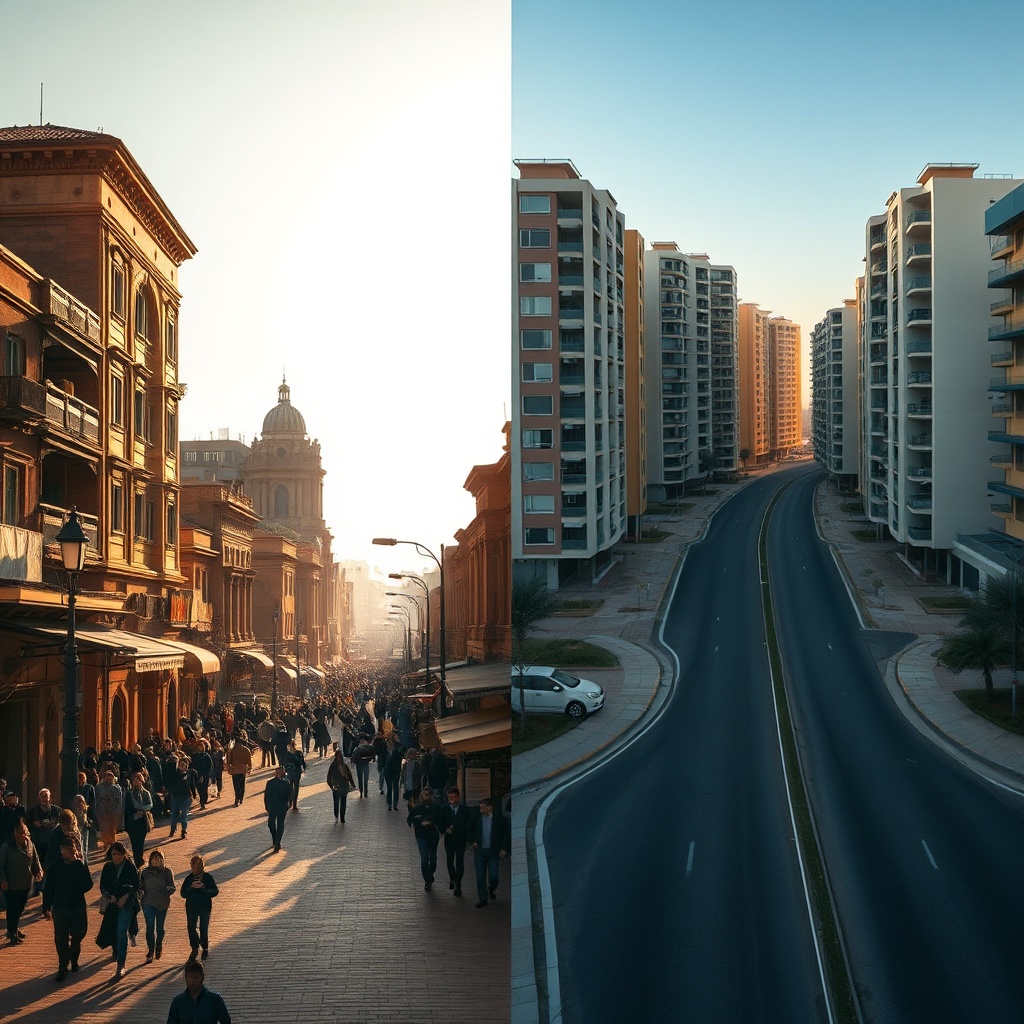
A split-screen image highlighting the lifestyle shift between downtown Cairo's historic density and New Cairo's modern, planned space.
Quick Answer: Relocating from downtown to New Cairo means trading a dense, walkable, historic urban core for a planned, car-dependent, lower-density satellite city. The move is worth it if you prioritize space, modern housing, and compound amenities over proximity to the city center and spontaneous urban life.
The Core Differences Between Downtown and New Cairo
The physical environment is the first thing you'll notice. Downtown Cairo is a dense, older urban fabric with narrow streets, mixed-use buildings, and historic architecture. New Cairo is a planned development with wide roads, newer buildings, and a much lower population density. The infrastructure in downtown is established but aging; New Cairo features newer roads, utilities, and public spaces, though coverage and quality can vary by neighborhood.
The lifestyle pace differs significantly. Downtown is fast, walkable, and mixed-use — you can step out of your building and find a café, a pharmacy, or a metro station. New Cairo is more car-dependent and residential; most daily needs require a drive, and the pace is quieter and more spread out. Exact distance and travel times between the two areas depend on your starting and ending points — for example, the drive from Tahrir to the Fifth Settlement is about 25 km and takes 50–70 minutes in peak traffic — so verify with real-time navigation before committing.
A hopeful family with moving boxes in front of a modern New Cairo residence, capturing the fresh start and space of the relocation.
What the Move Means for Your Daily Life
Your commute patterns change completely. In downtown, many trips are short and central — walking, metro, or a quick taxi ride. In New Cairo, most trips involve highway driving, and the commute from downtown to New Cairo can vary widely depending on the time of day. Access to services also shifts: hospitals, schools, and entertainment venues that were minutes away downtown may now be a 20- or 30-minute drive, or closer if your neighborhood has its own facilities.
Social dynamics change too. Downtown neighborhoods have a mix of long-term residents, students, and professionals. New Cairo tends to attract young families, expats, and people seeking a more suburban lifestyle. The sense of community in compounds can be strong, but it's a different kind of social life — more planned, more family-oriented, and less spontaneous.
A Realistic Timeline for the Transition
A successful move is usually broken into three phases. The pre-move phase involves research, budgeting, and sorting out work or school logistics — this can take several weeks to a couple of months depending on how quickly you find the right home. Moving week is the most intense: packing, arranging transport, and setting up utilities. The post-move settling-in phase includes orientation, registering your new address, and finding local services — this can take a week or more. The exact duration of each phase varies based on your situation, so build in buffer time.
The Real Cost Breakdown: Downtown vs. New Cairo Living Expenses
Quick Answer: The cost of living in New Cairo is not automatically lower than downtown. It depends heavily on whether you choose a compound, how often you drive, and where you shop. Always get current quotes for rent, service charges, and transport before comparing.
Housing and Rent Comparison
Rental prices in both areas depend on building age, size, and amenities. Downtown apartments are often in older buildings with lower service charges, while New Cairo properties are typically newer and may come with higher maintenance fees. Compound living in New Cairo often includes shared amenities like pools and gyms, which are reflected in the rent or service charges. As of late 2026, a 1-bedroom apartment in Downtown Cairo (near Tahrir or Garden City) typically rents for 7,000–10,000 EGP per month, while a comparable 1-bedroom in New Cairo's Fifth Settlement ranges from 10,000–14,000 EGP. In older New Cairo areas like Al Rehab, a similar unit may be closer to 8,500–11,000 EGP. These figures are starting points — check current listings and talk to real estate agents for verified figures.
Transportation and Commuting Costs
Transportation is where the cost gap can widen. In downtown, you can rely on walking, the metro, and ride-hailing services. In New Cairo, a car is almost essential, which means fuel, maintenance, insurance, and parking costs. Parking is often easier in New Cairo compounds, but street parking in downtown can be scarce or paid. Ride-hailing is available in both areas, but the frequency and cost depend on your location. During morning peak (7–9 AM), driving from Downtown to the Fifth Settlement via the Ring Road typically takes 50–70 minutes; off-peak it drops to 25–35 minutes. Monthly transport costs in New Cairo (fuel, maintenance, insurance, parking) average 3,000–4,500 EGP for a mid-size car, while downtown residents relying on metro and ride-hailing often spend 1,000–2,000 EGP. Verify current fuel prices and ride-hailing rates for a realistic monthly transport budget.
Utilities, Services, and Lifestyle Expenses
Utilities like electricity, water, internet, and waste management are usually comparable, but New Cairo compounds may have higher service charges that cover maintenance, security, and shared facilities. Grocery shopping in compound supermarkets can be more expensive than downtown markets, and dining out in New Cairo tends to be at malls and cafes rather than street-level restaurants. Utility averages and service fees vary by provider and building, so request a breakdown from your landlord before signing.
Comparison Table: Downtown vs. New Cairo Monthly Cost Categories
| Category | Downtown (estimated) | New Cairo (estimated) | Notes |
|---|---|---|---|
| 1-Bedroom Rent | 7,000–10,000 EGP | 10,000–14,000 EGP | New Cairo example: Fifth Settlement (Al-Tagamu Al-Khamis); older areas like Al Rehab are 8,500–11,000 EGP |
| Monthly Transport | 1,000–2,000 EGP | 3,000–4,500 EGP | Downtown: metro/walk/ride-hailing; New Cairo: car fuel, maintenance, insurance, parking |
| Utilities & Internet | 1,200–1,800 EGP | 1,800–2,500 EGP | Newer buildings may have higher service charges |
| Groceries & Dining | 3,000–4,000 EGP | 4,000–5,500 EGP | Compound supermarkets often pricier |
Step-by-Step Relocation Plan: From Downtown to New Cairo
Definition: A compound is a gated residential development in New Cairo that typically includes shared amenities like pools, parks, security, and community facilities, with service charges paid by residents.
Phase 1: Preparation and Research
- Define your budget and non-negotiables (space, commute, school proximity).
- Research New Cairo neighborhoods and shortlist 3–5 areas based on your downtown lifestyle.
- Schedule visits during different times of day to assess traffic and atmosphere.
- Confirm work or school logistics and their distance from your shortlisted areas.
Phase 2: The Move Itself
- Book a moving company or arrange transport well in advance; confirm parking access on moving day.
- Transfer utilities, internet, and address registrations — required documents vary by provider, so confirm what you need with each company.
Phase 3: Settling In
- Orient yourself to local services: nearest supermarket, pharmacy, clinic, and fuel station.
- Establish new routes for daily commutes and test them during peak hours.
- Connect with neighborhood groups or community boards for local information.
Lifestyle and Commute: What Actually Changes When You Move East
The Commute Reality: From Central Streets to Highway Driving
The biggest shift is the loss of walkability. In downtown, you can reach many destinations on foot or by public transport. In New Cairo, you'll depend on your car for almost everything. Peak-hour traffic on the main corridors connecting downtown to New Cairo can be heavy, especially during morning and evening rush hours and around school pickup times. On a typical weekday, the morning commute from Downtown (Tahrir) to New Cairo (Fifth Settlement) takes 50–70 minutes during peak hours (7–9 AM) and 25–35 minutes off-peak. The return trip in the evening (5–7 PM) is similarly heavy, often 55–75 minutes. Test your route during the hours you'll actually drive. Strategies like flexible work schedules, carpooling, or remote workdays can make the commute more manageable.
Social Life and Entertainment: A Different Rhythm

Downtown's social life is built around spontaneous outings — cafés, cultural venues, and nightlife that are a short walk or ride away. New Cairo's social rhythm is more planned: malls, compound cafes, and community events become the main gathering points. Social connections in New Cairo often form through schools, compound events, and neighborly interactions, which can be warmer but less frequent than the constant buzz of downtown. Specific venues and event frequencies vary, so ask local residents what they actually do on weekends.
Family and Community Dynamics
For families, New Cairo offers a clear advantage. International schools, nurseries, and family-oriented facilities are available in the area, and compound living provides shared pools, parks, and community events that make it easy for children to socialize. The trade-off is convenience and vibrancy: you gain privacy, safety, and space, but you lose the immediate access to the city's energy. The right balance depends on your stage of life and what you value most.
Choosing the Right Neighborhood in New Cairo: Matching Your Downtown Vibe
Quick Answer: The best New Cairo neighborhood for you is the one that matches your downtown lifestyle — if you love walkability, choose a mixed-use area near the ring road; if you prefer space and amenities, choose a newer compound. Visit both types before deciding.
Neighborhood Archetypes in New Cairo
New Cairo is not a single, uniform place. There are established, mixed-use areas closer to the ring road that have a more urban feel — more shops, services, and public transport connections. Then there are newer compounds with extensive amenities that are more suburban and self-contained, where you might not leave the gates for days at a time. For example, the Fifth Settlement (Al-Tagamu Al-Khamis) is a large mixed-use area with compounds, malls, and the American University in Cairo — it feels modern and active but is heavily car-dependent. Al Rehab is a well-established, self-contained community with extensive green space, schools, and its own commercial strips, offering a quieter, more family-oriented vibe. Mostakbal City is newer and often more affordable, but with fewer amenities and services. Research current listings and talk to residents to understand which archetype fits you.
Criteria for Selecting Your Area
Start with distance to your workplace or school. Then consider whether you need walkable services or are comfortable relying on a car. Community demographics matter too — some areas are dominated by families, others by young professionals or students. Finally, look into future development plans that could affect value and livability; these are often announced by developers or local authorities, so verify current plans before buying or signing a long lease.
How to Evaluate a Neighborhood Before Committing
Visit at different times — a weekday morning and a weekend evening will give you very different impressions. Talk to current residents, either through online forums or in person at a local café. Check the infrastructure: roads, drainage, and power reliability can vary by district, and these are best assessed by asking people who live there. Don't rely on photos or a single visit.
Common Mistakes to Avoid When Relocating from Downtown to New Cairo
Underestimating the Commute and Traffic
Many people assume highway travel is always faster than downtown streets. That's not true during peak hours. The biggest mistake is not testing the route during the actual times you'll drive. New Cairo also has its own school-run congestion, which can add significant time to your commute during term time.
Overlooking the "Hidden" Costs of Compound Living
Service charges and maintenance fees can add a substantial amount to your rent or mortgage. These fees cover security, landscaping, and shared facilities, but they're easy to forget when comparing base prices. Groceries and services inside compounds are often more expensive than outside, so your monthly spending can be higher than you planned. Always request a full breakdown of service charges and ask about fee increases in recent years.
Choosing a Home Based on Photos, Not Real Conditions
A beautiful interior can hide problems with the surrounding infrastructure or public spaces. Check construction quality, ask about nearby development that could bring noise or dust, and verify parking and visitor access. A home that looks perfect online might feel very different when you're standing outside it on a busy weekday.
FAQ
How long does it take to commute from downtown to New Cairo?
The commute depends on your exact starting point and destination, as well as the time of day. Peak-hour travel can take significantly longer than off-peak, and school-run congestion adds to the delay. Based on typical traffic patterns in late 2026, the commute between Downtown and New Cairo takes 50–70 minutes during morning peak (7–9 AM) and 25–35 minutes off-peak. School-run congestion can add 10–15 minutes in term time. Use real-time navigation during the hours you'll actually drive, and consider alternative routes or flexible schedules.
Is it cheaper to live in New Cairo than downtown?
Not necessarily. Costs vary by housing type, transport, and lifestyle. Downtown apartments may have lower service charges, but New Cairo compounds often include amenities that add to your monthly bill. Transportation costs are usually higher in New Cairo because a car is nearly essential. Compare current rent, utilities, and transport quotes for your specific needs before deciding.
What is the biggest challenge of moving to New Cairo?
The commute and car dependence are often cited as the main adjustment. The shift from a walkable urban environment to a more planned, dispersed one changes how you run errands, meet friends, and manage your day. It's not just a longer drive — it's a different way of living.
Can I live in New Cairo without a car?
It's possible but difficult. Public transport is less frequent than in downtown, and many destinations are spread out. Some mixed-use areas near the ring road have better access to buses and ride-hailing, but a car gives you far more freedom. If you're not planning to own a car, choose a neighborhood with walkable services and reliable ride-hailing coverage.
How do I choose between a compound and a non-compound area in New Cairo?
Consider your priorities. Compounds offer amenities, security, and a strong sense of community, but they come with higher service charges and a more isolated feel. Non-compound areas are often more integrated with local shops and services, with lower fees but fewer shared facilities. Visit both types, talk to residents, and think about how you actually want to spend your weekends.
Conclusion
Relocating from downtown to New Cairo is more than a change of address — it's a shift in daily rhythm, priorities, and expectations. The decision ultimately comes down to what you value most: the space and structure of a planned community, or the convenience and spontaneity of a walkable city. Success depends on honest self-assessment and a clear-eyed look at cost, commute, and lifestyle. If you're ready to make the move, start with a written list of your non-negotiables — commute tolerance, budget, school proximity, and social habits. Use that list to shortlist neighborhoods, then visit them during peak hours to experience the reality of traffic and noise. Do not settle for online photos alone. Take the next step today: schedule a weekend visit, talk to residents, and compare your options against your priorities. With preparation, relocating from downtown to New Cairo can be a rewarding transition that fits your life.