New Cairo Vs Maadi: Best For Expats 2026
Comprehensive Expat Guide: New Cairo vs Maadi in 2026
Choosing between New Cairo vs Maadi for expats 2026 comes down to a fundamental trade-off: the leafy, historic charm of Maadi or the sleek, master-planned luxury of New Cairo. Maadi, established in the early 20th century, offers a walkable, village-like atmosphere with tree-lined streets, European-style villas, and a tightly knit expat community centered around Road 9’s cafés and the Cairo American College (CAC). New Cairo, on the other hand, represents Cairo’s future—gated compounds like Mivida and Palm Hills, wide avenues, and proximity to the New Administrative Capital, with the Cairo Monorail now fully operational. Both districts are safe, well-serviced, and popular, but they cater to vastly different lifestyles. Maadi suits diplomats, families, and professionals who value community and convenience, while New Cairo appeals to those prioritizing modern amenities, security, and proximity to emerging business hubs.
Key Takeaways
- Choose Maadi if you value a walkable, tree-lined neighborhood, historic villa architecture, close proximity to Cairo American College (CAC), and an established, tight-knit expat community.
- Choose New Cairo if you prefer modern gated compounds, brand-new infrastructure, integrated security, proximity to the New Administrative Capital, and direct access to the Cairo Monorail.
- Cost Differential: Rent in modern New Cairo compounds averages $1,200–$2,200 USD/month for a 3-bedroom, whereas high-end Maadi Degla apartments range from $900–$1,700 USD/month.
- Commute Factor: New Cairo offers seamless highway connectivity and active Cairo Monorail lines, while Maadi provides direct access to Central Cairo via the Cairo Metro Line 1.
The Definitive Verdict: New Cairo vs Maadi for Expats in 2026
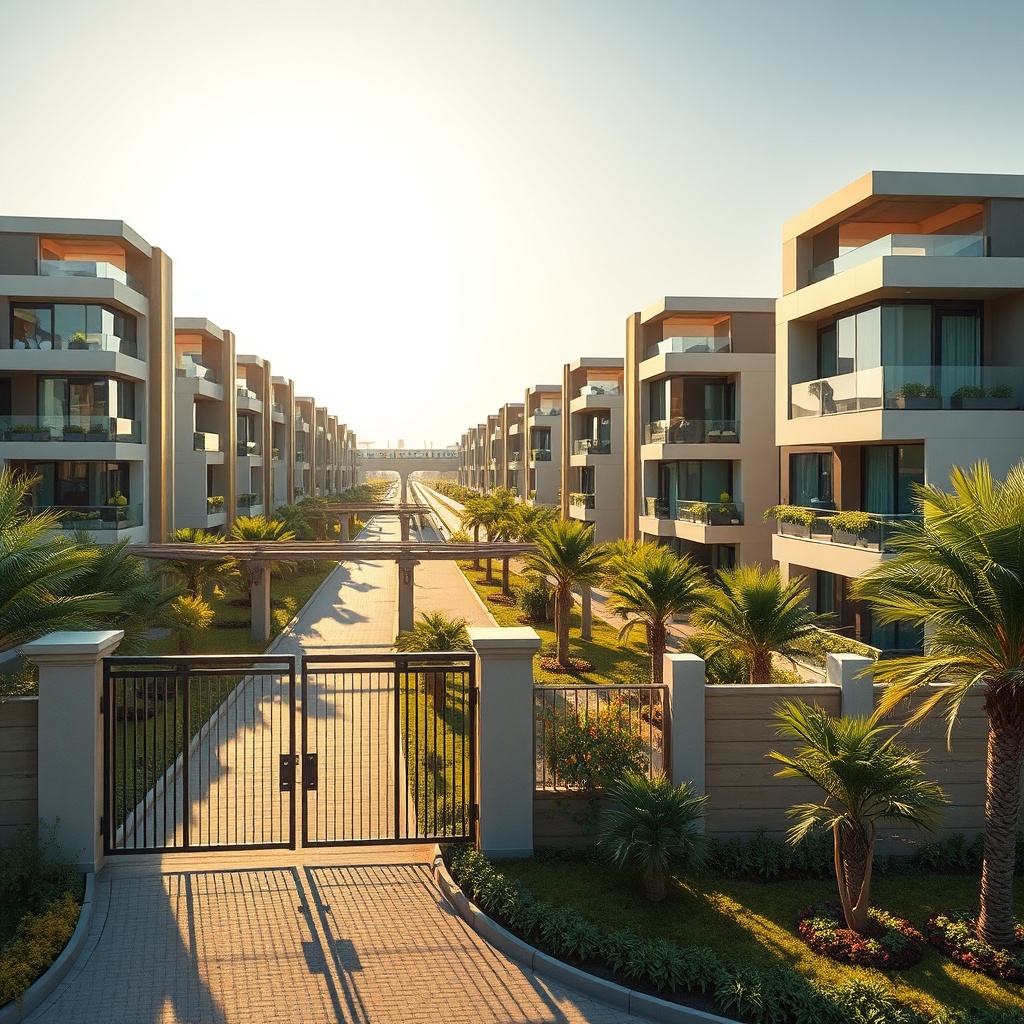
A modern residential compound in New Cairo, showcasing sleek villas, green landscaping, and the operational Cairo Monorail.
For expats relocating to Cairo in 2026, the New Cairo vs Maadi decision hinges on three non-negotiables: family needs, work location, and lifestyle preferences. New Cairo wins for corporate executives tied to the New Administrative Capital or Fifth Settlement offices, thanks to its 20-minute Monorail commute and modern infrastructure. Families with young children also lean toward New Cairo for its gated compounds, private parks, and newer international schools like NCBIS and AIS. Meanwhile, Maadi remains the gold standard for diplomats, single professionals, and long-term expats who prioritize walkability, cultural depth, and proximity to Downtown Cairo. The district’s Sarayat Maadi and Degla sub-areas offer a European suburban feel, with Road 9 serving as the social heartbeat.
Quick Answer: In 2026, New Cairo is the best choice for families needing modern amenities and proximity to business hubs, while Maadi excels for expats seeking community, walkability, and historic charm. The verdict? New Cairo for future-focused professionals, Maadi for those craving tradition and convenience.
Summary Verdict by Expat Profile
- Families with Young Children: Edge to New Cairo due to modern compound amenities, private parks, and newer school campuses (e.g., NCBIS, AIS).
- Diplomats & Single Professionals: Edge to Maadi (especially Sarayat Maadi and Degla) for walkability, vibrant café culture on Road 9, and diplomatic community hubs.
- Corporate Executives linked to the New Administrative Capital: Clear win for New Cairo due to 15-minute Monorail access and modern transit corridors.

A charming, tree-lined street in Maadi, featuring historic European-style villas and a bustling café on Road 9.
Core Comparison Overview
New Cairo embodies Cairo’s master-planned future: wide boulevards, integrated security, and a car-centric lifestyle centered around malls like Cairo Festival City and Waterway. Maadi, in contrast, is a mature, pedestrian-friendly expat enclave with low-rise villas, organic markets, and a 90-year history of hosting foreign communities. The former offers scalability—space for growing families and businesses—while the latter provides immediate belonging.
Lifestyle, Architecture, and Neighborhood Vibe
Maadi’s charm lies in its 1920s colonial architecture, with high-ceilinged apartments, private gardens, and wrought-iron balconies lining streets like Street 8 and Street 13. The district’s Sarayat Maadi sub-area is the quietest, favored by ambassadors and long-term expats, while Maadi Degla buzzes with boutique cafés, artisanal bakeries, and the Maadi Club sports facility. New Cairo, by contrast, is a post-2000 phenomenon—gated compounds like Lake View and Golden Square feature smart-home villast, infinity pools, and 24/7 security, but require a car for even the shortest trips. Social life in New Cairo revolves around commercial plazas and luxury clubhouses, whereas Maadi’s gatherings happen organically in street-side kiosks and community parks.
Quick Answer: Maadi offers a walkable, historic expat experience with tree-lined streets and villa architecture, while New Cairo delivers modern, secure compounds with mall-centric socializing and car-dependent mobility.
New Cairo: Gated Compounds, Commercial Malls, and Wide Avenues
New Cairo’s Fifth Settlement and Golden Square are the epicenters of expat-oriented compounds, where Palm Hills and Mivida offer private security, backup generators, and landscaped gardens. The area’s wide avenues—like 90th Street and Suez Road—prioritize vehicles, with drive-thru culture dominating dining (e.g., McDonald’s, Texas Roadhouse). Shopping is mall-centric: Cairo Festival City (220+ stores), Waterway (open-air retail), and The District (luxury boutiques). For entertainment, Vox Cinemas and Magic Planet provide family-friendly options, while Fifth Settlement’s nightlife is limited to rooftop lounges in compounds.
Definition: Gated compounds — Residential communities enclosed by walls or fences, with controlled access points, private security, and shared amenities like pools, gyms, and parks.
Maadi: Leafy Streets, Walkability, and Historic Charm
Maadi is divided into three key sub-districts: Sarayat Maadi (quiet, diplomatic), Maadi Degla (commercial, expat-heavy), and New Maadi (more affordable, local vibe). Road 9 is the social spine, packed with coffee shops (e.g., Cilantro, Left Bank), restaurants (e.g., Abou Shakra, Zitouni), and boutiques. The walkability score here is 85/100, with sidewalks, pedestrian crossings, and bike lanes in certain areas. Maadi’s green spaces—like Maadi Park and Wadi Degla Protectorate—offer hiking and picnicking, while dog-walking is a daily ritual. The Maadi Club provides tennis, swimming, and social events, reinforcing the community-first ethos.
Social Scene and Community Integration
In Maadi, expat integration happens organically: playdates at Maadi Park, book clubs at Diwan, and weekend brunch at Road 9 staples. The Cairo American College (CAC) acts as a social anchor, with PTA events and sports tournaments fostering connections. New Cairo’s social scene is more structured—compound BBQs, gym classes, and mall meetups replace spontaneous street interactions. For nightlife, Maadi offers live music at The Tap and wine bars like Vinoteca, while New Cairo’s options are limited to compound bars and hotel lounges (e.g., Steigenberger Hotel).
Cost of Living and Real Estate Market Analysis (2026 Benchmarks)
In 2026, Maadi remains 15–25% cheaper than New Cairo for comparable housing, but compound fees in New Cairo add 8–10% annual maintenance costs on top of rent. Maadi’s rental market is landlord-driven, with older buildings offering character but variable maintenance—renovated units in Sarayat Maadi can rival New Cairo’s luxury finishes, but unrenovated apartments may lack backup power or modern plumbing. New Cairo’s developer-led model ensures consistent quality: fiber-optic internet, solar water heaters, and automated gates are standard. Groceries are 10–15% pricier in New Cairo due to import-heavy supermarkets like Gourmet and LuLu, while Maadi’s Seoudi Supermarket and local souks offer competitive prices on fresh produce.
Quick Answer: Maadi is more affordable for rent but may lack modern amenities, while New Cairo’s higher costs include maintenance fees and premium services. Budget $900–$1,700/month for Maadi’s 3-bed apartments vs. $1,200–$2,200/month in New Cairo’s compounds.
Housing Stock and Rental Price Comparison
Maadi’s housing stock is diverse: 1920s villas (3,000–5,000 sq ft), low-rise apartments (1,200–2,000 sq ft), and modern duplexes in Degla. Private landlords dominate, with negotiable leases and flexible terms. New Cairo’s compounds (e.g., Lake View, Palm Hills) offer standardized contracts, 24/7 security, and shared facilities—but tenants pay service charges (e.g., $200–$500/month for pool/gym maintenance).
2026 Housing Cost Comparison Table
| Metric / Feature | Maadi (Degla / Sarayat) | New Cairo (Fifth Settlement / Golden Square) |
|---|---|---|
| 2-Bed Apartment Rent (Monthly) | $800 – $1,300 USD | $1,000 – $1,600 USD |
| 3-Bed Villa / Townhouse Rent | $2,200 – $4,000 USD | $2,500 – $5,000 USD |
| Housing Type | Low-rise historic buildings & villas | Master-planned gated compounds |
| Average Annual Maintenance Fee | Minimal / Varies by landlord | 8% – 10% of property value |
| Walkability Score | High (85/100) | Low (30/100) |
Daily Expenses, Utilities, and Grocery Outlets
Utility costs in both areas are similar, with electricity at $0.05–$0.10/kWh and high-speed fiber internet (100+ Mbps) averaging $30–$50/month. Water bills are subsidized, costing $5–$15/month for a 3-bed apartment. Gas for cooking is cheap ($2–$5/month), but propane tanks may be needed in older Maadi buildings. For groceries, Maadi’s Seoudi Supermarket and Metro Market offer imported goods at 5–10% lower prices than New Cairo’s Gourmet or LuLu Hypermarket, where organic and international brands dominate.
New Cairo’s transport infrastructure is car-first, with the Ring Road and Middle Ring Road providing high-speed connections to the New Administrative Capital (20–25 minutes) and Downtown Cairo (40–50 minutes). The Cairo Monorail’s Eastern Line, fully operational in 2026, now links New Cairo to Nasr City in 15 minutes, with future extensions planned. Maadi’s transit advantage is the Cairo Metro Line 1, offering direct access to Downtown (20 minutes) and Giza (45 minutes). Traffic bottlenecks on the Ring Road during peak hours (7:30–9:00 AM, 4:00–6:00 PM) can double commute times for both areas.
Quick Answer: New Cairo’s Monorail and highways favor business commuters, while Maadi’s Metro Line 1 and central location benefit daily city access. School proximity often dictates the choice—CAC in Maadi vs. NCBIS/AIS in New Cairo.
Infrastructure and Transportation: Cairo Monorail vs. Ring Road
The Cairo Monorail’s Eastern Line (2026) has transformed New Cairo’s connectivity, with stations at Fifth Settlement and Golden Square reducing New Administrative Capital commutes to 15–20 minutes. Maadi’s Metro Line 1 (operational since 1987) remains reliable, with stops at Dar El Salam and Hadayek El Maadi providing direct Downtown access. For driving, New Cairo’s wide, well-lit roads (e.g., 90th Street) are less congested than Maadi’s narrower streets, but parking is easier in Maadi due to abundant street-side spots.
Schooling Proximity and Family Convenience
Maadi’s educational anchor is the Cairo American College (CAC), a K–12 IB school in Degla with 1,200+ students from 60+ nationalities. Walking distance from most Sarayat Maadi homes, it’s a top choice for diplomatic families. New Cairo’s international schools—NCBIS (British), AIS (American), MES (British)—are spread across Fifth Settlement, requiring private bus transport (average $150–$300/month). New Cairo’s schools are newer, with state-of-the-art facilities, but longer commutes (30–45 minutes) from central Maadi.
Relocating to Cairo as an expat in 2026 requires a data-driven approach to avoid costly mistakes. The New Cairo vs Maadi dilemma isn’t just about preference—it’s about logistics. Start by mapping your workplace, then securing school spots, and finally testing the lifestyle before committing to a lease.
5-Step Neighborhood Selection Process
- Calculate Your Workplace Distance: Use Google Maps to simulate peak traffic (7:30–9:00 AM). If your office is in the New Administrative Capital or Fifth Settlement, New Cairo cuts commutes by 50%. For Downtown Cairo or Zamalek, Maadi is closer.
- Determine School Placement: International schools have waitlists—apply 6–12 months in advance. If your child is accepted to CAC (Maadi), prioritize Degla or Sarayat. For NCBIS or AIS (New Cairo), focus on Fifth Settlement compounds.
- Assess Lifestyle Mobility Needs: If you hate driving, Maadi’s walkability is non-negotiable. If you prefer malls and compounds, New Cairo’s car-dependent model works.
- Evaluate Housing Style Preferences: Maadi’s villas offer character and space, but older plumbing may be an issue. New Cairo’s compounds provide modern finishes but less privacy (shared walls, security checkpoints).
- Conduct a 3-Day Test Stay: Book an Airbnb in Sarayat Maadi and Golden Square New Cairo. Test daily routines: grocery runs, school drop-offs, and evening socializing.
Is New Cairo safer than Maadi for expats in 2026? Both neighborhoods rank among Cairo’s safest for expats. New Cairo’s gated compounds offer 24/7 security guards, CCTV, and access control, while Maadi benefits from diplomatic police patrols (due to embassies) and strong community vigilance. Petty crime (e.g., pickpocketing) is rare in both, but New Cairo’s controlled entry reduces risks further.
How long is the commute from Maadi to New Cairo? Off-peak, the 25–35 minute drive via Ring Road or Middle Ring Road is straightforward. During morning (7:30–9:00 AM) or evening (4:00–6:00 PM) rush hours, expect 60–75 minutes due to traffic congestion near Nasr City and Heliopolis. The Monorail (2026) does not directly connect Maadi to New Cairo, so driving remains the only option.
Do I need a car living in New Cairo versus Maadi? Yes, New Cairo requires a car—or heavy reliance on Uber/Careem—due to sprawling compounds and limited public transit. In Maadi, you can walk to supermarkets, cafés, and schools, with Metro Line 1 covering longer distances. Biking is also feasible in Maadi’s quieter streets.
Which area has better internet and infrastructure stability in 2026? New Cairo’s post-2020 compounds feature native fiber-optic (FTTH) internet, automated backup generators, and modern plumbing, ensuring 99.9% uptime. Maadi’s infrastructure is mixed: renovated apartments in Sarayat Maadi often have private fiber lines and water boosters, but older buildings may face occasional pressure issues or power cuts without private generators.
The New Cairo vs Maadi for expats 2026 decision ultimately hinges on whether you prioritize modern convenience or historic community. New Cairo delivers cutting-edge compounds, seamless Monorail access, and proximity to the New Administrative Capital, making it ideal for career-focused families and executives. Maadi, with its walkable streets, established schools, and vibrant expat social scene, remains the gold standard for those seeking tradition and ease of daily life. Both districts offer safety, quality housing, and strong amenities, but your choice should align with work location, school admissions, and lifestyle preferences. Before signing a lease, test both neighborhoods with short-term stays to experience the rhythms of each. For personalized insights, consult local expat Facebook groups like Expats in Cairo or Maadi Moms Network to gather real-time recommendations.